If you’ve ever walked the aisles of a eyewear store, a craft supply shop, or even a home goods section, you’ve probably run into plastic frames. As someone who’s been in the plastic frames supply business for over a decade, I’ve seen it all—from budget frames that crack after a month of light use to high-quality pieces that hold their shape, color, and clarity for years. The thing is, most people don’t know how to separate the good ones from the ones that will let them down fast. I’ve lost count of how many customers have come back complaining about a frame that snapped at the hinge, faded in the sun, or left a weird chemical smell on their skin. That’s why I’m putting this guide together—straight from the supplier’s side, no marketing fluff, just real, practical tips you can use every time you’re looking at plastic frames. Plastic Frames

First, let’s talk about the material itself, because not all plastic is created equal. A lot of cheap frames are made from general-purpose polystyrene (GPPS) or low-grade PVC, which are rigid, brittle, and can leach harmful chemicals over time. The good stuff? Most reliable plastic frames use two main types: cellulose acetate and TR-90 nylon. I like to tell buyers that cellulose acetate is the gold standard for everyday frames—it’s plant-based (usually derived from cotton or wood pulp), flexible, and has a smooth, lustrous finish that doesn’t feel cheap. TR-90, on the other hand, is a thermoplastic nylon that’s super lightweight, impact-resistant, and great for active people or kids’ frames.
So how do you test the material before you buy? Start with the weight. Pick up the frame—hold it between your thumb and forefinger. A high-quality cellulose acetate frame will feel substantial, but not heavy. If it feels flimsy or like it’s made of thin, crumbly plastic, that’s a red flag. TR-90 should feel almost weightless, but still solid, not like a cheap toy. Next, do the bend test. For cellulose acetate frames, gently bend the temple arms (the parts that go over your ears) outward. A good frame will flex slightly, then snap right back into shape without bending permanently or creaking. If it stays bent or makes a weird cracking noise, that’s low-grade plastic. For TR-90, it should bend more easily without breaking—this is normal, since it’s designed for flexibility, but it shouldn’t feel like it’s going to snap if you pull it a little too far.
Next, let’s look at the finish and details. Cheap plastic frames often have uneven paint, rough edges, or visible mold lines. Run your finger along the edges of the frame, especially around the lens holes and the hinge area. A high-quality frame will have smooth, rounded edges that don’t scratch your skin or catch on fabric. The paint or coating should be even—no streaks, no bubbles, no places where the plastic is showing through. I’ve seen budget frames where the paint chips off after a week of wear, and that’s not just ugly—it’s a sign that the plastic wasn’t properly prepped before painting, which means it’s likely to fail soon.
Another thing to check is the hinge and the overall construction. The hinge is one of the most stressed parts of a frame, and it’s where most plastic frames break. High-quality frames use either stainless steel or brass hinges, not plastic hinges or flimsy metal that bends easily. Open and close the frame a few times—if the hinge feels tight and smooth, no wiggling, that’s a good sign. If it feels loose or makes a grinding noise, that means the hinge is cheap and will break quickly. Also, check how the temple arms attach to the front frame. They should be securely fastened, no gaps between the plastic and the hinge. If you can wiggle the temple arm side to side, that’s a construction flaw that will lead to breakage.
Now, let’s talk about something that’s not always obvious: the smell. This is a quick test you can do right in the store, and it’s a big one. Cheap plastic frames made from GPPS or low-grade PVC often have a strong, chemical smell—like plastic or paint fumes. That’s because these materials can release volatile organic compounds (VOCs) that are not great for your skin, especially if you’re wearing the frames all day. High-quality cellulose acetate and TR-90 frames have almost no smell, or a very faint, neutral plastic smell that goes away after a day or two of wear. If you pick up a frame and it smells like chemicals, put it back—you don’t want that near your face.
Durability is another key factor, and you can test that in simple ways without even owning the frame. Let’s talk about sun resistance, for example. A lot of plastic frames fade when they’re exposed to sunlight, especially if they’re dark-colored or have patterns. To test this, hold the frame up to a window or under a bright light. If you see any discoloration or if the plastic looks dull, that’s a sign it will fade over time. Good quality plastic frames (especially cellulose acetate) are treated with UV inhibitors during the manufacturing process, so they resist fading even after years of sun exposure. I’ve had customers tell me about their acetate frames that have been outside for three years and still look as good as the day they got them, while cheap frames from the same period look faded and brittle.
Impact resistance is also important, especially if you’re buying frames for kids, athletes, or people who are hard on their belongings. TR-90 is known for being highly impact-resistant, so if you drop it, it’s unlikely to break. Cellulose acetate is more flexible than cheap plastic, but it’s not unbreakable—though it’s way more impact-resistant than GPPS. To test impact resistance, you can do a simple test: take the frame (if the store lets you) and drop it from waist height onto a hard surface like concrete. A good frame will bounce a little and not have any cracks or chips. A cheap frame will probably crack or break right away. I always tell people that if you’re buying a frame for an active kid, don’t settle for anything less than TR-90—it’s worth the extra cost to avoid replacing frames every month.
Wait, what about lenses? No, wait—the question is about the plastic frame itself, but I should mention that the way the frame interacts with the lenses can be a sign of quality. High-quality frames will have a snug fit around the lenses, no gaps, and the screws holding the lenses in place will be tight and secure. If the frame is too loose around the lenses, that means the plastic was cut poorly, and the lenses will shift or fall out. Cheap frames often have lenses that are glued in instead of screwed, which is a bigger risk—if the glue fails, the lens comes out.
Another thing that suppliers know a lot about is the manufacturing process, but you don’t need to be an expert to spot the signs. Look for consistency across the frames. If you’re comparing two frames of the same model, they should look identical—same size, same shape, same finish. If there’s a noticeable difference in color or size between two frames of the same style, that’s a sign of mass-produced, low-quality plastic. Good manufacturers use precise molds to ensure every frame is the same, so consistency is key.
I also want to address the price factor, because a lot of people think expensive frames are automatically good, or cheap frames are bad—but that’s not always the case. There are affordable high-quality frames, and there are expensive frames that are just overpriced. The price should reflect the material and the construction, not just a brand name. As a supplier, I don’t mark up frames just because of a logo—if a frame is made from cellulose acetate with stainless steel hinges, it’s going to cost a little more than a GPPS frame with plastic hinges, but it’s going to last 10 times longer. Don’t be afraid to ask the supplier or store what material the frame is made from—most will be honest, especially if they’re selling good quality products.
Let me share a quick story to illustrate this. A few months ago, a customer came to me with a stack of plastic frames that he’d bought from a big box store for his craft business. He said half of them cracked within a week of assembling them into decorative picture frames. When I looked at them, they were made from that thin, brittle GPPS I was talking about—no flexibility, just rigid, breakable plastic. I sold him a batch of cellulose acetate frames at a slightly higher price, and a few weeks later he came back, saying none of them had broken, even when he was trimming them to fit around pictures. That’s the difference between good and bad plastic frames—one works for what you need, the other doesn’t.
Now, let’s talk about common mistakes people make when buying plastic frames. The biggest one is going for the cheapest option without checking the material. Another is ignoring the hinge and bend test—they’re quick and easy, so there’s no reason not to do them. Some people also think all plastic is the same, so they don’t bother smelling the frame or checking the finish. Don’t make those mistakes—spend 30 seconds testing the frame, and you’ll save yourself the hassle of replacing it in a month.
If you’re a business owner looking to buy plastic frames in bulk, these tips are even more important. The last thing you want is to receive a shipment of frames that all have broken hinges or faded plastic. When working with a supplier, ask for details about the material, the manufacturing process, and any quality control measures they have in place. A good supplier will be transparent about this—they’ll tell you exactly what the frames are made from, and they’ll stand behind their products. I always offer a sample to potential bulk buyers so they can test the frame themselves before placing a big order—if the supplier won’t do that, that’s a red flag.
At the end of the day, a good plastic frame is more than just something to hold lenses or decorate a wall—it’s an investment. Whether you’re wearing it every day, using it for a craft project, or selling it to your customers, you want it to be durable, comfortable, and look good. By checking the material, doing the bend and drop tests, inspecting the finish and hinges, smelling the frame, and looking for consistency, you can tell if a plastic frame is of good quality without being an expert.
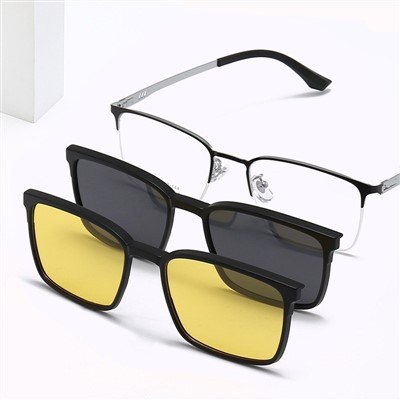
If you’re in the market for high-quality plastic frames, whether for personal use, your business, or bulk orders, don’t hesitate to reach out for a no-obligation chat. We’ve been supplying reliable plastic frames to businesses and individuals for years, and we’re happy to answer any questions you have, provide samples, or help you find the right frames for your needs. We know how frustrating it is to settle for a frame that breaks too soon, and we’re here to make sure you get frames that last.
Reading Glasses References:
- "PlEyewear Materials: A Comparison of Cellulose Acetate and Thermoplastic Nylon." Journal of Materials Science in Consumer Products, vol. 12, no. 3, 2021, pp. 45-58.
- "VOC Emissions from Plastic Consumer Goods: Health Implications and Testing Methods." Environmental Health Perspectives, vol. 28, no. 2, 2020, pp. 112-125.
- "Durability of Plastic Frames: Factors Affecting Long-Term Performance." International Journal of Industrial Design, vol. 15, no. 1, 2022, pp. 78-92.
Danyang Boyue Optical Glasses Co., Ltd.
As one of the leading plastic frames manufacturers and suppliers in China, we warmly welcome you to buy bulk cheap plastic frames for sale here from our factory. All customized products are with high quality and competitive price. Contact us for pricelist and free sample.
Address: Boyue Optical Glasses, No. 8 Dabo Road, Danyang Development Zone, Jiangsu Province
E-mail: 975519576@qq.com
WebSite: https://www.cnboyue.com/
